In an age where privacy concerns and geo-restrictions are on the rise, many internet users turn to proxies as a solution for anonymous browsing, unblocking content, or protecting their identity online. Among these options, free proxies seem like an attractive choice due to their no-cost nature. However, when it comes to internet security and privacy, free proxies can often be a risky gamble.
In this article, we’ll explore the potential dangers of using free proxies and why relying on them for safe online activity may expose you to serious risks. Additionally, we’ll show how a reliable, premium proxy service, such as QuarkIP, can provide the security and privacy you need while keeping you safe from malicious actors.
What Are Free Proxies and How Do They Work?
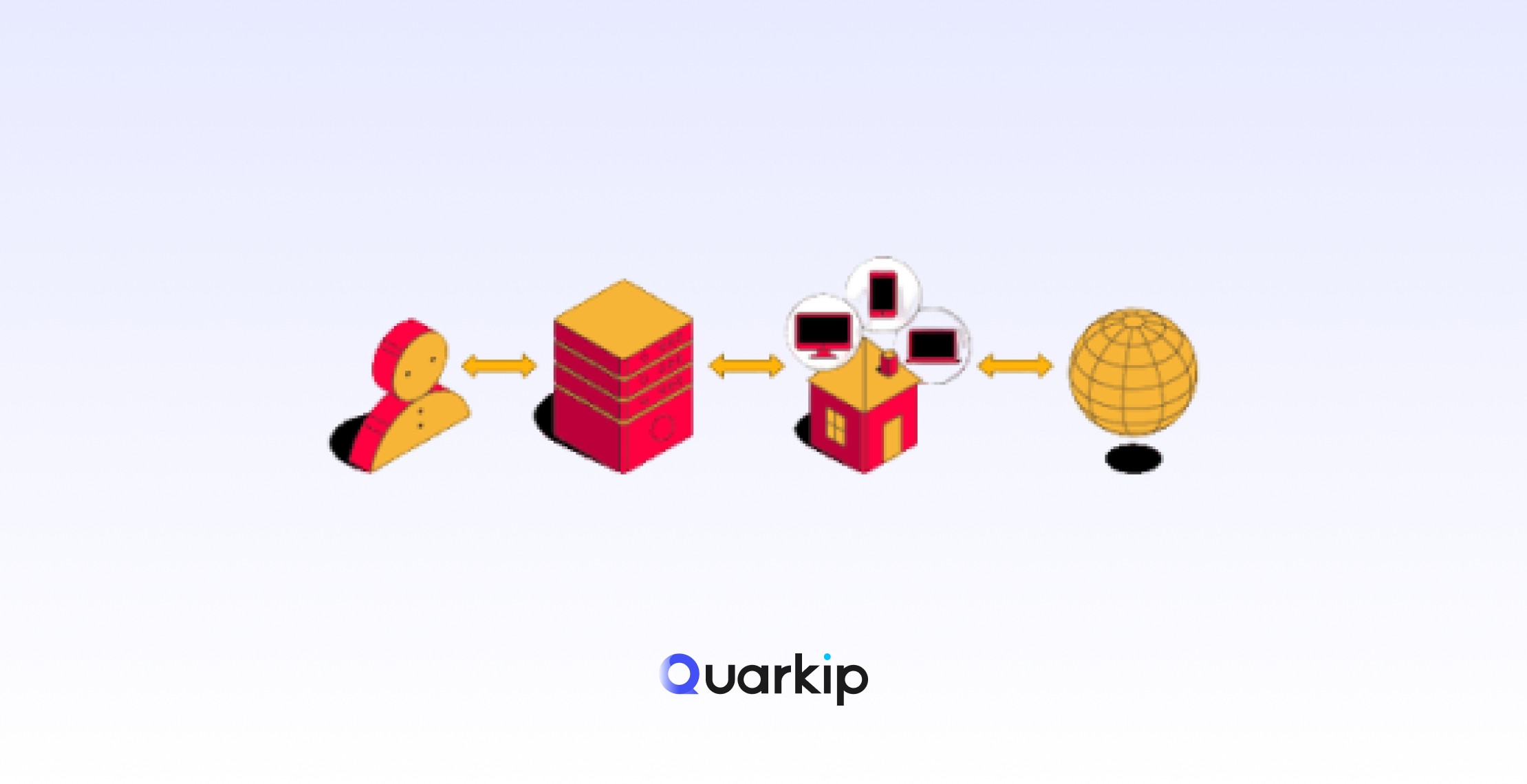
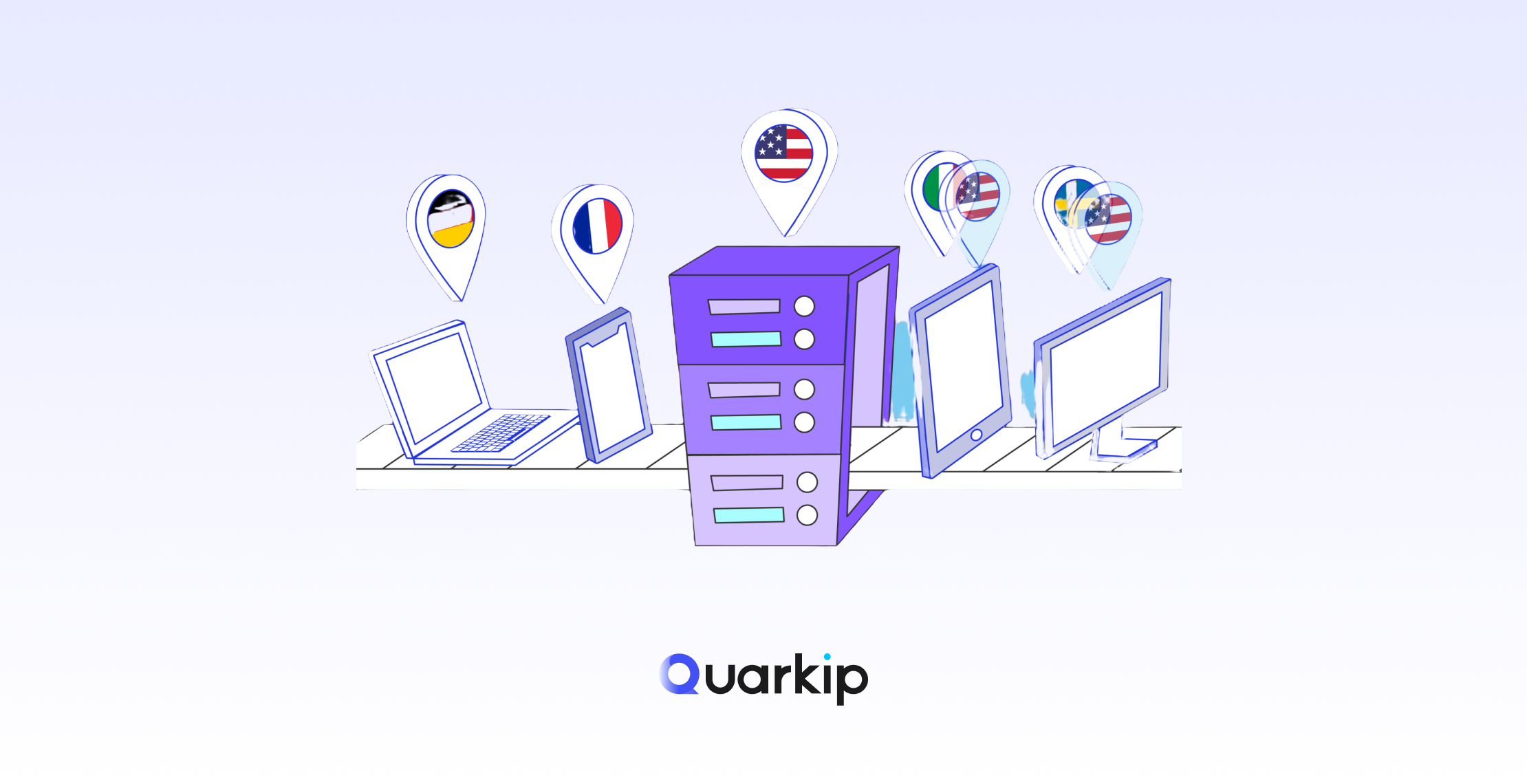
A proxy server acts as an intermediary between your device and the internet. It reroutes your traffic through its own server, effectively masking your IP address and giving you anonymity online. Free proxies work in the same way, but with one significant difference — they come with significant limitations and risks.
How Free Proxies Work:
- Basic Function: You route your internet traffic through a free proxy server, and in return, the server hides your real IP address from websites you visit.
- Unpaid Service: Free proxies are usually provided by individuals or services that don’t charge users. While you get access to the proxy for free, the service provider may monetize the connection through advertising, logging data, or injecting malware.
Why Are Free Proxies Dangerous?
1. Privacy Concerns: Data Logging and Tracking
One of the most significant risks of using free proxies is the lack of privacy protection. While paid proxy services (such as QuarkIP) often have no-log policies, free proxy providers frequently collect and store your data for advertising or even sell it to third parties.
- Data logging: Free proxy providers may log your browsing activity, IP address, and other personal information, which could be sold to advertisers or exploited for malicious purposes.
- Third-party tracking: Many free proxies inject tracking cookies and ads into your browsing experience, further compromising your privacy.
2. Lack of Encryption
When using a free proxy, most likely, your data will not be encrypted. This means your sensitive information, such as passwords, credit card details, or browsing habits, is exposed to anyone who is monitoring the network.
- No SSL encryption: Free proxies often lack the encryption protocols that secure websites use (e.g., HTTPS), leaving you vulnerable to Man-in-the-Middle (MITM) attacks.
- Unprotected data: Without encryption, your data is sent in plain text, making it easy for attackers to intercept it.
3. Malware and Adware Risks
Free proxies can be a source of malware. Because the service is provided for free, many proxy operators generate income through ads, and some even inject malicious code into your browser. These ads can lead to adware, spyware, or even viruses that infect your device.
- Malicious scripts: Free proxies often embed harmful scripts that can install malware without your knowledge, compromising your device.
- Injected ads: The proxy might inject unwanted ads or redirect you to harmful websites that collect personal information or exploit your system.
4. Slow Speeds and Reliability Issues
Free proxies often have a limited number of servers and a high volume of users. This means that the speed and performance of your connection will likely suffer, especially during peak usage times. Slower browsing speeds can make tasks like streaming, torrenting, or accessing secure sites difficult.
- Server overload: The proxy server may become overloaded with too many users, causing frequent disconnections or timeouts.
- Limited bandwidth: Free proxies often impose bandwidth restrictions, leading to slower connection speeds and potential disruptions.
5. Risk of IP Blocks and Blacklisting
Since free proxy services are used by many individuals, your IP address could get blacklisted by websites that detect and block proxy IPs. This can make it difficult to access certain websites or services.
- Frequent bans: Websites that monitor proxy traffic can easily detect IP addresses associated with free proxies and block them, leaving you unable to access your desired sites.
- Temporary access: Even if you manage to access the site initially, websites may quickly block or limit access if they detect multiple users coming from the same proxy server.
Why Paid Proxies Are a Safer Option
While free proxies may seem appealing due to the zero-cost factor, they come with significant drawbacks that make them unsafe for anyone who values privacy, security, and speed. On the other hand, paid proxies offer several advantages that make them more reliable and secure:
1. Enhanced Privacy Protection
Premium proxy services, such as QuarkIP, offer no-logging policies and ensure that your data remains private. Unlike free proxies, they don’t track your online activity or sell your data to third parties.
2. Strong Encryption and Security
Paid proxy services use advanced encryption protocols (like SSL or HTTPS) to ensure your data is securely transmitted and protected from hackers. This adds a layer of security when accessing sensitive websites, such as banking portals or shopping sites.
3. Higher Speed and Reliability
Premium proxies come with dedicated servers and more bandwidth, ensuring that your connection is faster and more reliable. With QuarkIP, you get high-speed proxies with low latency, perfect for secure browsing, streaming, or torrenting.
4. Avoid IP Blacklisting
Since premium proxies come with unique, residential IPs, the likelihood of getting blocked or blacklisted is significantly reduced. These proxies are harder for websites to detect and block.
Conclusion: Free Proxies vs. Paid Proxies
While free proxies may seem like a cost-effective solution, they come with serious privacy and security risks that can compromise your online safety. From data logging and lack of encryption to the potential for malware and slow speeds, free proxies are simply not worth the gamble.
For a safe, fast, and reliable browsing experience, a paid proxy service like QuarkIP is the best option. By choosing a reputable service, you can enjoy enhanced privacy, secure browsing, and optimal performance.
PARTNER WITH QUARKIP Publish your content on QuarkIP Sponsored articles, guest posts and contextual link placements for proxy, web scraping, AI and developer audiences. Packages from $80 Start an inquiry →