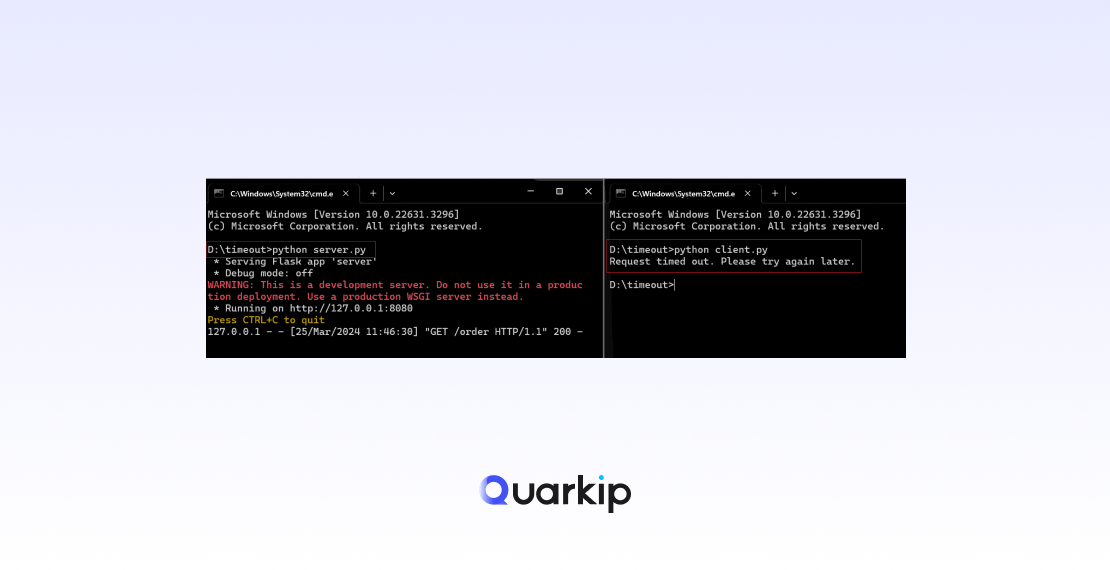
When using pip, the Python package installer, you might occasionally encounter a timeout error during package installation. This happens when the request to the Python Package Index (PyPI) server takes too long and exceeds the allotted time for pip to fetch the necessary files. This error is commonly accompanied by the message:
ERROR: Could not install packages due to an OSError: Timeout occurred.
This article will explain the common causes behind this error and offer several practical solutions to help you resolve the issue quickly.
Why Does Pip Install Timeout Happen?
1. Slow Internet Connection
A slow or unstable internet connection can cause the request to the PyPI server to time out, as pip is unable to retrieve the necessary files within the expected time frame.
2. PyPI Server Overload or Maintenance
Sometimes, the PyPI server may be temporarily overloaded or undergoing maintenance. This can result in slower response times, leading to timeout errors when pip tries to connect.
3. Firewall or Proxy Issues
If you’re behind a corporate firewall or using a proxy, these can interfere with pip’s ability to access PyPI. The firewall or proxy may block the connection or throttle the download speed, leading to a timeout error.
4. Outdated Pip Version
Older versions of pip might not handle connections or retries efficiently, especially if you’re using a Python version that is no longer supported by older pip releases.
Solutions to Fix Pip Install Timeout Errors
1. Increase the Timeout Limit
One of the quickest ways to resolve a timeout error is to increase the timeout limit in pip. By default, pip waits 15 seconds before timing out, but this can be extended using the --timeout option.
Command:
pip install <package-name> --timeout 60
This command sets the timeout to 60 seconds, giving pip more time to download the package. You can adjust the value based on your internet connection and the size of the package being installed.
2. Use a Faster Mirror
Sometimes, the PyPI server you’re connected to may be experiencing issues. You can use a faster PyPI mirror to avoid this issue. There are many publicly available mirrors that you can use by specifying the -i or --index-url flag.
Example Command:
pip install <package-name> -i https://pypi.tuna.tsinghua.edu.cn/simple
This command uses the Tsinghua University mirror, which is a fast and reliable mirror for users in certain regions. You can replace the URL with other regional mirrors for better speed and reliability.
3. Use a Proxy or VPN
If you’re experiencing timeout errors due to regional restrictions or slow routing, you might want to consider using a proxy or a VPN to bypass these issues.
- Proxy: If you’re behind a firewall, you can configure pip to use a proxy server. This is useful for bypassing network restrictions.
Example Command for Proxy:
pip install <package-name> --proxy http://<proxy-server>:<port>
- VPN: A VPN can help you avoid regional restrictions by routing your traffic through a different location, potentially reducing timeout errors.
4. Update Pip to the Latest Version
Older versions of pip might not handle network requests efficiently. Updating pip to the latest version can help resolve various installation issues, including timeout errors.
Update Pip Command:
python -m pip install --upgrade pip
After updating pip, retry the installation command, and check if the timeout error is resolved.
5. Check and Disable Firewall/Antivirus
Sometimes, firewalls or antivirus software can block pip’s connection to PyPI. Ensure that these security tools are not interfering with pip’s access to the internet.
- Check Firewall Settings: If you’re behind a corporate firewall, you might need to configure the firewall to allow connections to pypi.org.
- Temporarily Disable Antivirus: Some antivirus software might block or slow down connections to external servers. If necessary, temporarily disable the antivirus to see if it resolves the issue.
6. Download the Package Manually
As a last resort, you can manually download the package from the PyPI website and install it locally.
- Go to the PyPI page for the package you need.
- Download the
.tar.gzor.whlfile. - Use the following command to install it:
pip install <path-to-package-file>
Preventing Future Timeout Errors
1. Use Virtual Environments
Using a virtual environment helps isolate your Python projects and dependencies, which can improve installation reliability and prevent conflicts that might contribute to timeout errors.
Creating a Virtual Environment:
python -m venv venv
source venv/bin/activate  # On Windows use venv\Scripts\activate
2. Keep Dependencies Updated
Regularly update your installed packages and dependencies to avoid issues with outdated libraries. You can check for outdated packages with:
pip list --outdated
Conclusion
Timeout errors during pip installs can be frustrating, but they’re often solvable with simple solutions. By increasing the timeout limit, using a different PyPI mirror, or adjusting network settings, you can resolve most timeout issues quickly.
If the problem persists, remember to check your internet connection, update pip, and ensure that firewalls or proxies aren’t blocking pip’s access to PyPI.
By following these steps, you can improve your overall pip installation experience and avoid future issues with timeout errors.
PARTNER WITH QUARKIP Publish your content on QuarkIP Sponsored articles, guest posts and contextual link placements for proxy, web scraping, AI and developer audiences. Packages from $80 Start an inquiry →